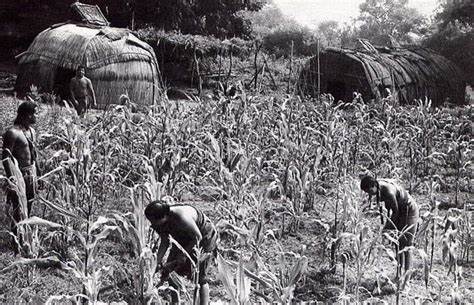
The Pilgrim stories were much friendlier when I was a child because I didn’t know they were only true in part. To the victors go the story telling and the Native People lost. Immediately as you go wandering the past, one bumps into facts that are raw and discombobulating. To conquer a New World means displacing the current inhabitants. On Cape Cod, the inhabitants were the Wampanoag…
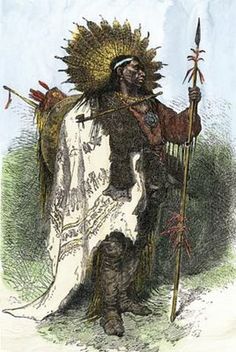
~ As written below by Nancy Eldredge, Nauset Wampanoag and Penobscot.
“The Wampanoag are one of many Nations of people all over North America who were here long before any Europeans arrived, and have survived until today. Many people use the word “Indian” to describe us, but we prefer to be called Native People.
Our name, Wampanoag, means People of the First Light. In the 1600s, we had as many as 40,000 people in the 67 villages that made up the Wampanoag Nation. These villages covered the territory along the east coast as far as Wessagusset (today called Weymouth), all of what is now Cape Cod and the islands of Natocket and Noepe (now called Nantucket and Martha’s Vineyard), and southeast as far as Pokanocket (now Bristol and Warren, Rhode Island). We have been living on this part of Turtle Island for over fifteen thousand years.
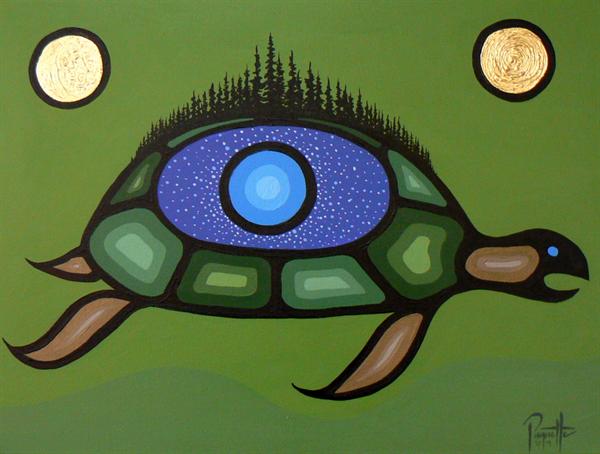
The Wampanoag, like many other Native People, often refer to the earth as Turtle Island.
Today, about 4,000-5,000 Wampanoag live in New England. There are multiple Wampanoag communities – Aquinnah, Mashpee, Herring Pond, Assonet, Chappaquiddick, Pocasset, and Seaconke – with smaller groups and communities across the United States and world. Recently, we also found some of our relations in the Caribbean islands. These people are descendants of Native Wampanoag People who were sent into slavery after a war between the Wampanoag and English. We, as the People, still continue our way of life through our oral traditions (the telling of our family and Nation’s history), ceremonies, the Wampanoag language, song and dance, social gatherings, hunting and fishing.
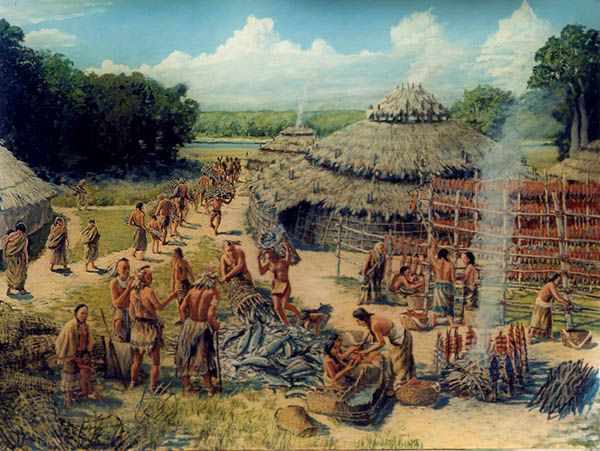
The Wampanoag Homeland provided bountiful food for fulfillment of all our needs. It was up to the People to keep the balance and respect for all living beings and to receive all the gifts from The Creator. We were seasonal people living in the forest and valleys during winter. During the summer, spring, and fall, we moved to the rivers, ponds, and ocean to plant crops, fish and gather foods from the forests.”
Much of the Wampanoag history is lost as they passed their traditions and stories along orally. They were a hunter/gatherer society. Although we do have first person accounts of some events, the narrators (like Edward Winslow) were speaking from the perspective of the colonizers – NOT the Native People. Making them biased storytellers, wanting to cast themselves in the most sympathetic angles.
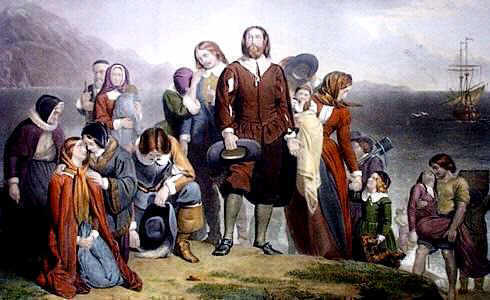
The Pilgrims clung to the same self-serving illusion as every colonizer before, “God is directing us to bring civilization to the Savages.” Certainly there were things to admire about the Pilgrims and Strangers who sailed to the New World, but it’s also impossible to ignore they were colonizers. They arrived desperate, leaking and late (landing in Provincetown in cold, bleak November.)
Ultimately, the Pilgrims chose to settle the Wampanoag village of Patuxet, which they found abandoned. They would later learn that all of the villagers had died in a recent epidemic.
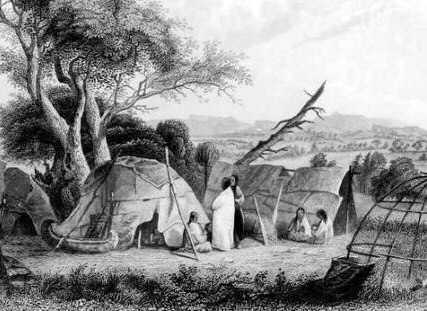
Mayflower passenger Edward Winslow would later admit to the deed. “In the houses, we found wooden bowls, trays and dishes, earthen pots, handbaskets made of crab shells,” Winslow wrote in “Mourt’s Relation,” a history of the Pilgrims’ exploration and settlement. “Some of the best things we took away with us,” he wrote.
Evidence of the epidemic was everywhere. Pilgrim leader William Bradford would later write in a two-volume “History of Plymouth” that many victims of the “late great mortality” were not able to bury one another: “Their skulls and bones were found in many places lying still above the ground where their houses and dwellings had been.”
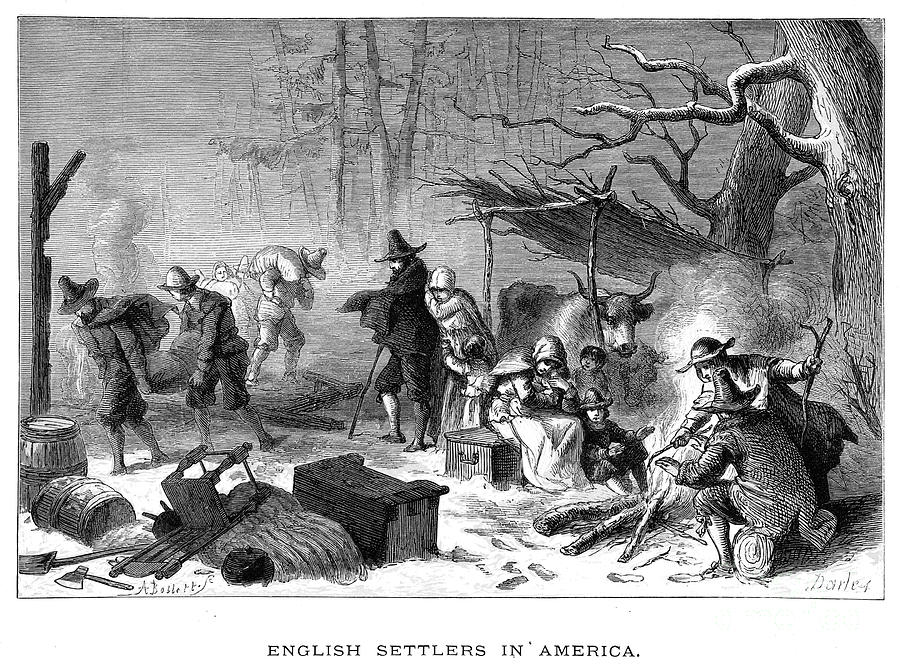
The Wampanoag were shocked that the English would take up residence in a place associated with so much suffering and death. Wampanoag would have left it undisturbed.
The Pilgrims and the Strangers were desperate that first winter. These self-anointed ‘chosen people’ were making a New World on the graves of the citizens before. They were hungry, sickly and unbelievably – completely unprepared for life in the New World. The Pilgrims and Strangers compromised their values by stealing from graves and co-opting an abandoned village of epidemic dead. How could they do this?
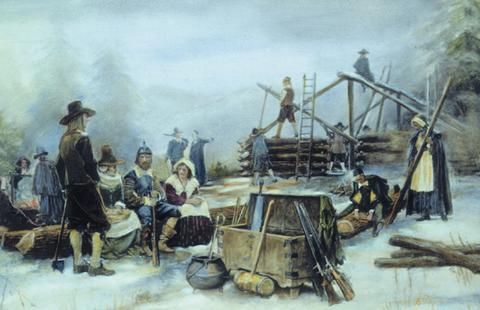
The Pilgrims and Strangers had spiritually, emotionally and economically – “Burned the Boats!” They were going to make it work, even if that meant setting up on the graves of the Native People. They were tenacious. They were compromised. They were in debt.
The Wampanoag would make first contact with the Pilgrims and Strangers in the Spring. It just got more complicated from there…

 The Pilgrim's Granddaughter