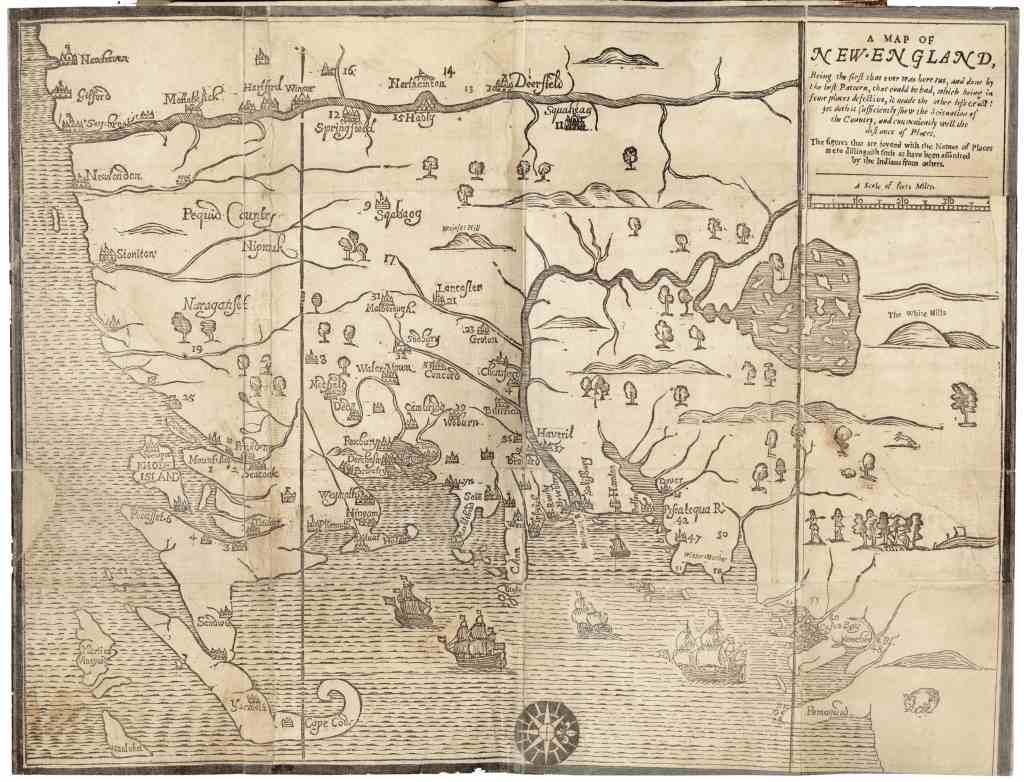
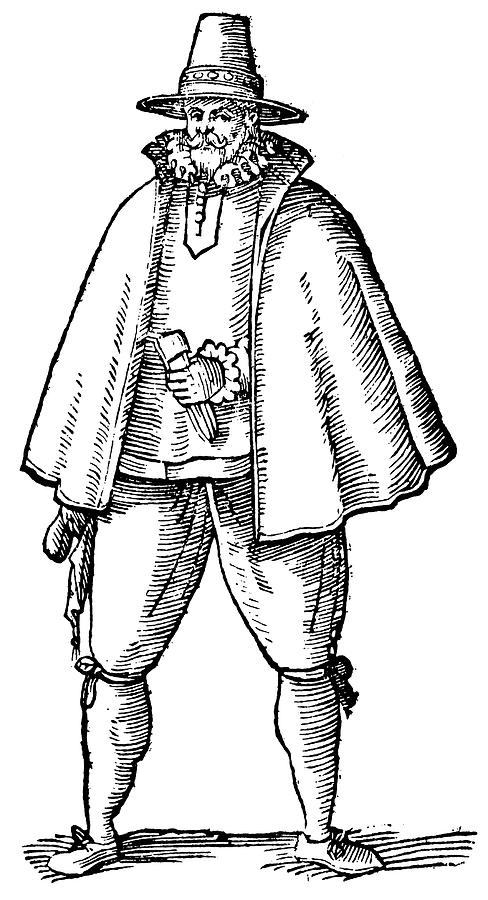
Around 1636, Peter Worden, his son Peter (Jr) and illegitimate grandson, John Lewis, arrived in Plymouth Colony in their own ‘Particular’ way. The elder Peter was a gentleman of means at 68 years old. He was born June 9, 1568 at Clayton Manor, Clayton-le-Woods, Lancashire, England. He belonged to the same Preston Merchant Guild in England as his father and grandfather before.

Peter married Widow Margaret Grice Wall between February 1603 and March 1604, according to a 1607 Palatine Chancery Court action (PRO-PL6/1, No. 37). She was born between 1566 and 1571, probably in Warrington, Lancashire. Alice had five children by her first husband Anthony Wall, who died in 1601. Peter and Alice prospered together and had three children (Elizabeth, Bridget and Peter Jr.) Unfortunately Alice died in 1612, leaving Peter widowed and responsible for eight children. The youngest Peter was only three years old. Peter the elder would not marry again.
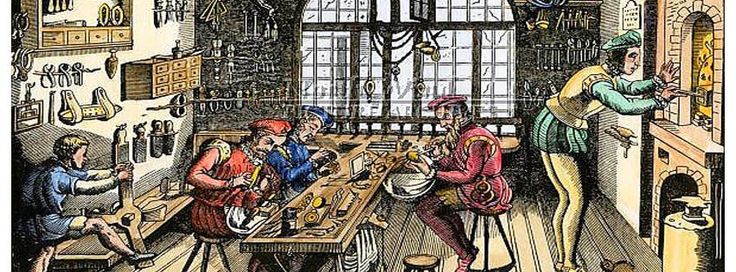
Things got complicated for the elder Peter. We know from documents Peter was very much involved with the Merchant’s Guild and town council in Preston. He did well and increased his wealth. He earned the title of “Gentleman” from the town due his merchant trading licenses.
The education and daily life of the children in his care is not known, however about 1625 his daughter Elizabeth(about 19 yrs) gave birth to the illegitimate son of married vicar John Lewis. The young Elizabeth was involved in a clandestine affair with John resulting in a huge scandal. Which ultimately left John Lewis defrocked and debarred from the church. Elizabeth named her son John Lewis after his father and continued to live with her family. The babe was welcomed into the family. Unfortunately Peter’s other daughter Bridget died in 1628.
Elizabeth married Hugh Swansey about 1630 just as the plague was raging in London. She and Hugh had two children before she and newborn died in childbirth about 1635. Grandson Edmond died in 1636 leaving Peter with only two surviving grandsons and his son left of his small family. Perhaps all of these losses; perhaps the past scandal with the church; perhaps because he wanted to provide more opportunities for his son and illegitimate grandson during a perilous plague…ultimately we will never know why Peter found himself bound for the New World at the age of 68 years old. Yet, whatever propelled him, it was a bold choice indeed.
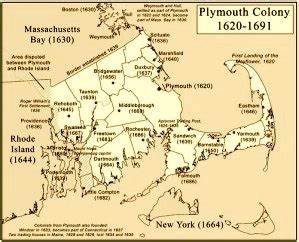
It is said the elder Peter may have first learned of the Plymouth Colony from Myles Standish, a relative of the Standish family whom Peter knew in England. Peter was not associated with the Puritans of Plymouth. He and his small family were one of those who came to Plymouth Colony “On Their Perticulers” (not belonging to any general group of emigrants from England sharing a common sectarian religion–such as the Pilgrims.) The first known document of their presence was in 1638/39 around what would later be Yarmouth, MA.
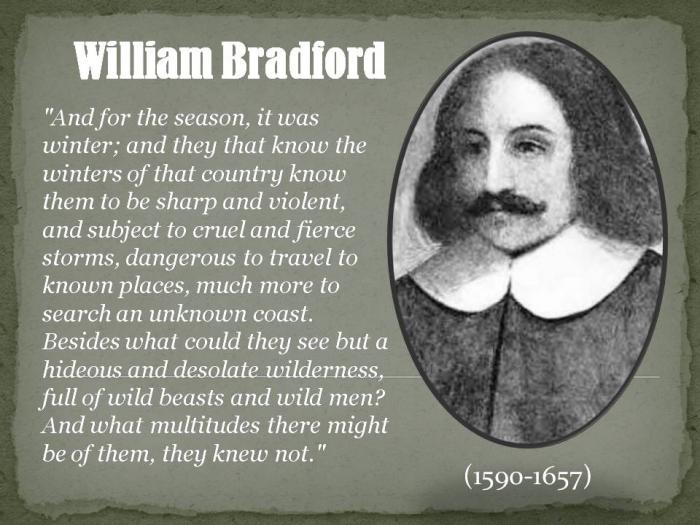
“The first record of the elder Peter found on this continent is the mention of his name in the Plymouth Colony Court Records of January 7th, 1638/9. Listed as “Old Worden,” he was one of four men apparently discovered at Yarmouth, on Cape Cod. The notation is that he and three other men were “excepted against,” undoubtedly meaning that they were there without the authority of the Colony . The use of “Old” could, perhaps, signify displeasure at finding Peter in Yarmouth without official sanction of the Colony. (Peter may have squatted there, or bought land from the Indians, both contrary to Colony laws.)” There are some records implying the elder Peter bought the land in part from Mayflower Pilgrim and Governor, William Bradford.
In The History of Old Yarmouth, by Charles F. Swift, is the following: “At the extreme easterly part of the Town, Peter Worden [sic] the elder and younger have established themselves, in spite of the opposition of some of their associates, and here the former died the first year of settlement.” He is rumored to have been first European land owner in Yarmouth (now East Dennis, Massachusetts). A partial quote from the Dennis-Yarmouth Register published in 1891 states, “Old Werden was doubtless the first Englishman who died and was buried in town. The region of his settlement was in East Dennis. This grave is in the ancient burial place southeast of the Hall, named for him.”
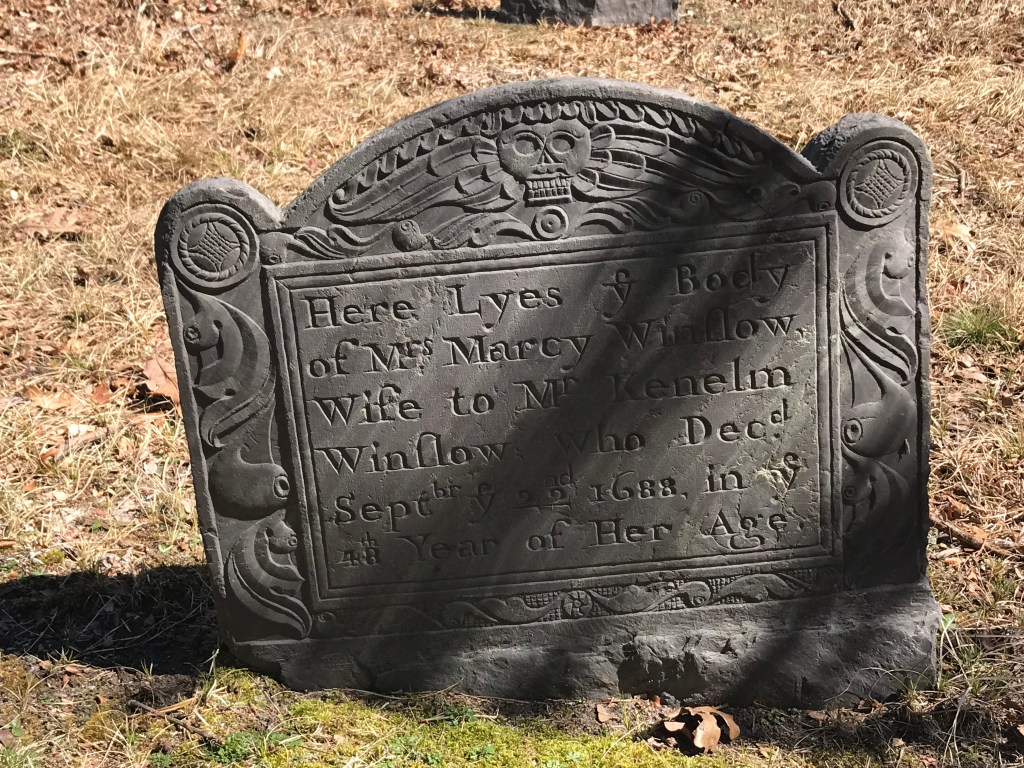
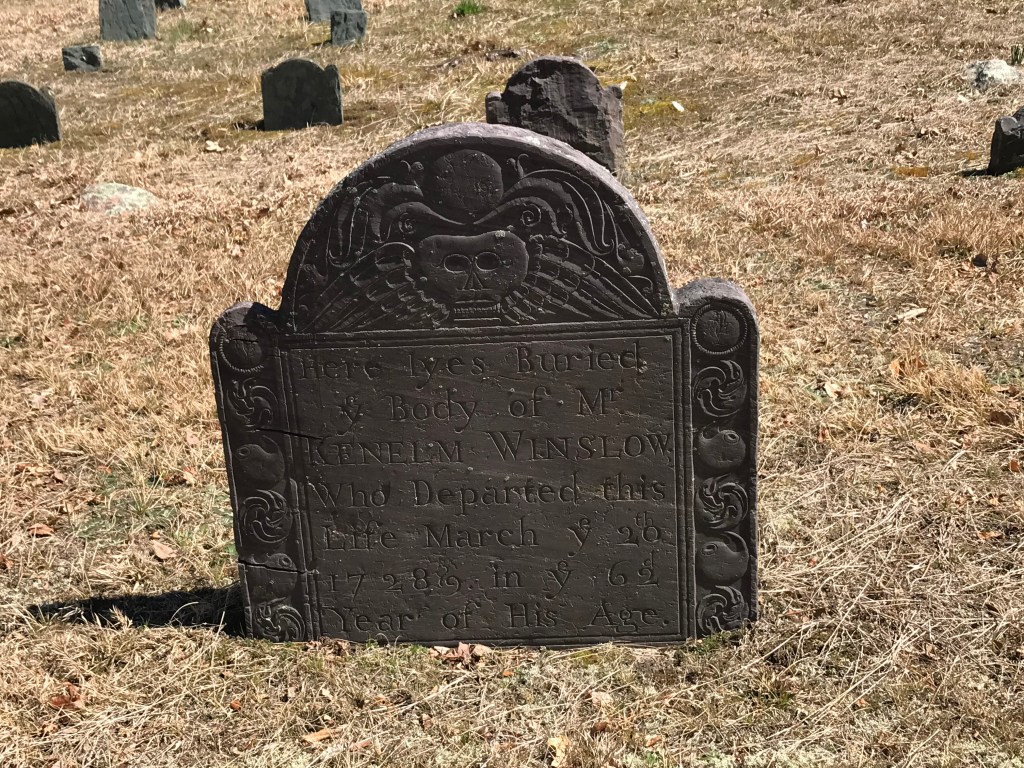
The elder Peter died in 1639. Peter Worden’s will was probated on March 5, 1639. It is the first will printed in the Plymouth Court Records. A copy of the will remains in the Barnstable Probate Court. The elder Peter left almost everything to his son Peter. However, he also provided for his illegitimate grandson John Lewis in the will. The elder Peter always provided for his family. Peter the younger would later wed neighbor Mary and they would have five surviving children. Including Mercy, who would marry Kenelm Winslow, son of my 9th grandparents Kenelm and Ellen Winslow.
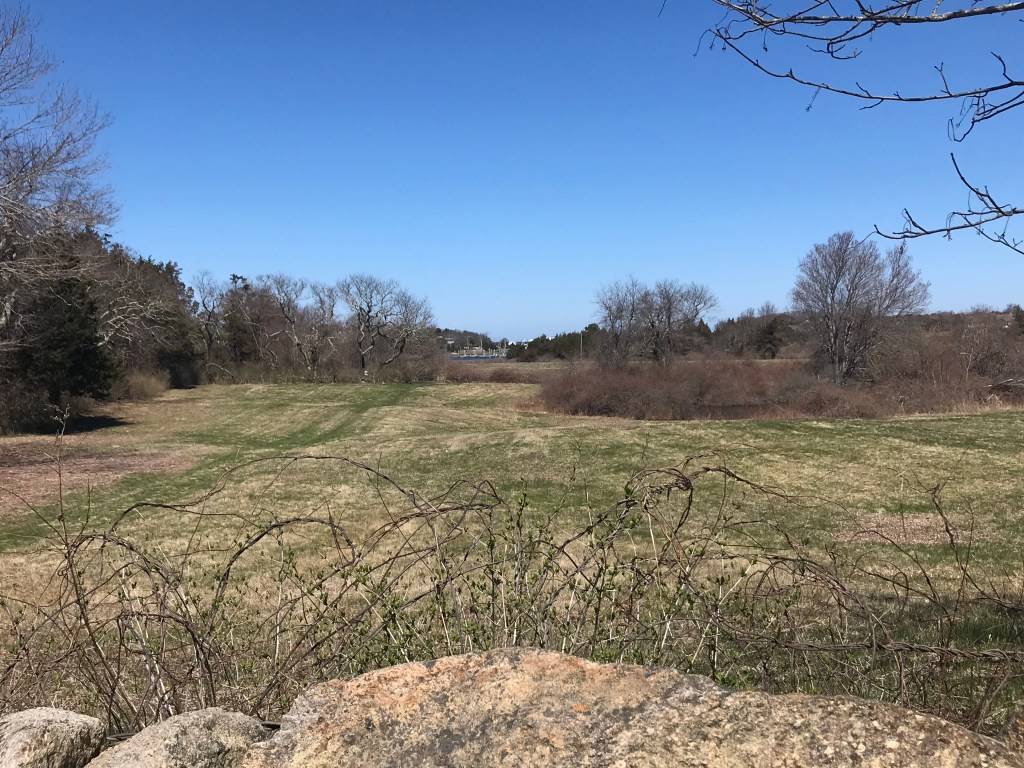
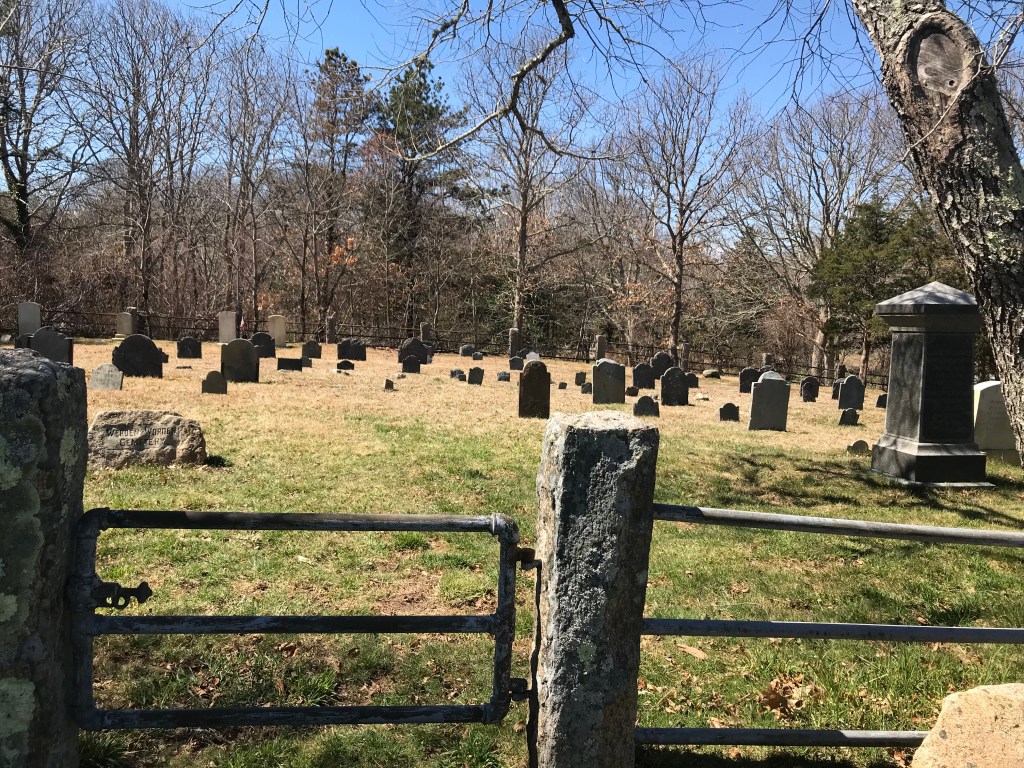
This would united their families forever as the Wordens and Winslows are buried in the Worden Cemetery, overlooking Cape Cod Bay. One of the oldest colonial cemeteries in the USA. The cemetery is located on the south side of Route 6A in the Town of Dennis near the border of the Town of Brewster. Diectly across Route 6A, in a pasture, is a small foundation said to be from the house of the elder Peter Worden. The barn in the pasture is said to be built on the original foundation of the house of his son, Peter Worden.
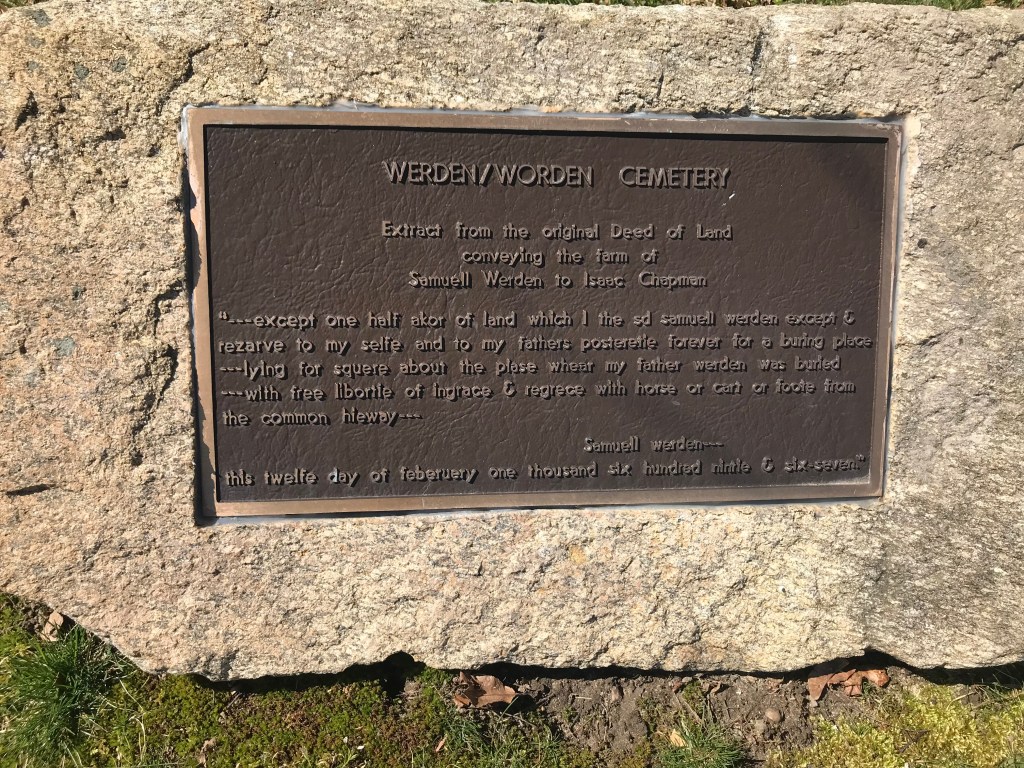
The cemetary has in recent years been called the Homer Hall Cemetary instead of the Worden-Winslow Cemetary. The Winslow part of the name coming from Mercy Werden’s marriage to Kenelm Winslow. They and many of their descendents are buried there. In 1970, a brass plaque was placed on Peter’s grave by the Dennis Cemetary Commission. To quote the Cape Cod Standard Times, “The final resting place was honored with a suitable plaque in simple ceremonies and the ancient cemetary of the Werdens will be preserved as one of the historical spots of Dennis.”
The elder Peter is my 10th great-grandfather. His son, the younger Peter and Mary are my 9th great-grandparents. Surely they were tenacious individuals. Complicated. They did it their way. Some for good. Some for naught. I am grateful, utterly impressed and as I reveal in future blog posts, completely challenged by some of their choices. Privilege is a powerful thing and can be morally corrupting, especially when matters of life and death are at hand…stay tuned.
Go to Why was Peter’s journey to Colony termed ‘Own Particular Way?’
Go to Pilgrim Forefather Kenelm Winslow’s story.
 The Pilgrim's Granddaughter
One response to “The Pilgrim’s Granddaughter: Scandal and ‘Own Perticuler Way’, Part 2”
Love this, Kelly, Great job. Thank you so much.
LikeLiked by 1 person